Benefits of Human Resources for Business Operations

Every successful business depends on people to turn plans into practical results. While technology, finance, and marketing are important, employees remain central to daily operations and long-term growth. This is why Human resources has become an essential business function rather than simply an administrative department. A well-organized HR function can help businesses attract suitable employees, improve workplace processes, develop talent, and maintain a productive working environment.
Modern organizations face changing customer expectations, competitive markets, evolving technology, and new workforce challenges. Human resources can help businesses respond to these changes by connecting people management with operational goals. When employees understand their responsibilities and have the right support, organizations can build stronger processes and improve the way everyday work is performed.
What Is the Role of Human Resources in Business
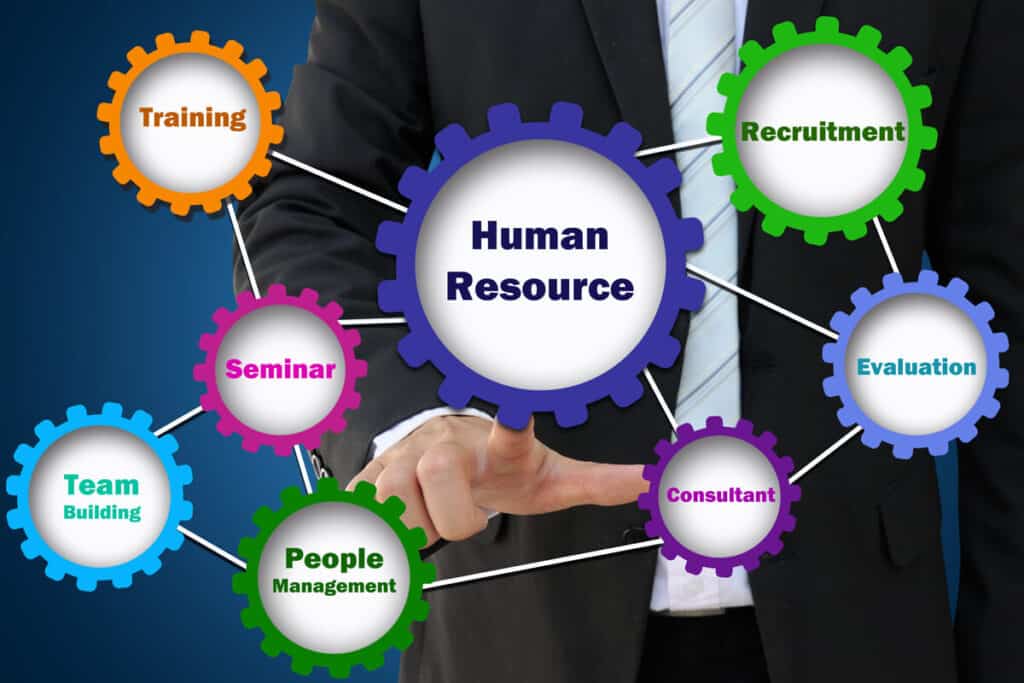
Human resources focuses on managing the employee lifecycle, from recruitment and onboarding to development, performance management, and employee relations. HR teams also commonly handle policies, employee records, compensation processes, training, workplace communication, and workforce planning.
The role of Human resources can vary depending on the size and needs of an organization. However, the central purpose remains similar: helping businesses manage their workforce effectively while supporting organizational objectives.
Improving Recruitment and Hiring
Finding suitable employees is one of the most important responsibilities of Human resources. Hiring the wrong person can create additional training costs, operational disruptions, and unnecessary turnover.
HR teams can develop structured recruitment processes that identify the skills, experience, and qualifications required for each position. Clear job descriptions, appropriate screening methods, structured interviews, and effective onboarding can help organizations build teams that are better aligned with their operational needs.
Supporting Employee Onboarding
A new employee needs more than a job title and workstation. They need to understand company policies, responsibilities, team structures, workplace expectations, and available resources.
Human resources can create standardized onboarding programs that provide new employees with essential information from the beginning. A structured onboarding experience can reduce confusion and help employees become familiar with their roles and workplace more efficiently.
Increasing Workplace Productivity
Productivity depends on having the right people, processes, skills, and resources in place. Human resources can support productivity by helping organizations define roles, identify workforce gaps, provide training, and establish performance management processes.
When employees understand what is expected from them, managers can set clearer objectives and monitor progress more effectively. HR can also identify recurring workforce issues that may be affecting operational performance.
Developing Employee Skills
Business requirements change over time, and employees may need new skills to keep up with evolving responsibilities. Human resources can coordinate training and development programs based on organizational and employee needs.
Training may include technical skills, communication, leadership, workplace procedures, or industry-specific knowledge. Continuous development can help organizations maintain a workforce that is better prepared for changing operational requirements.
Improving Employee Retention
High employee turnover can disrupt business operations and increase recruitment and training costs. Human resources can help organizations understand why employees leave and identify opportunities to improve retention.
Competitive compensation, career development, recognition, effective management, clear communication, and a supportive workplace can all contribute to the employee experience. HR can collect feedback and use workforce information to identify recurring retention challenges.
Strengthening Workplace Communication
Clear communication helps employees understand policies, responsibilities, organizational changes, and business priorities. Poor communication can create confusion and reduce coordination between teams.
Human resources can establish communication channels for workplace announcements, employee feedback, policy updates, and important organizational information. Better communication can help employees stay informed and support smoother daily operations.
Managing Employee Performance
Performance management provides a structured way to establish expectations, review progress, and identify development needs. Human resources can create performance management frameworks that managers can use consistently.
Regular feedback can help employees understand their strengths and areas for improvement. It can also help managers identify performance issues early and determine whether additional training, resources, or support may be required.
Supporting Workplace Policies
Organizations need clear policies to guide workplace behavior and operational processes. Human resources can develop, communicate, and maintain policies covering attendance, leave, workplace conduct, performance, grievance procedures, and other employment matters.
Clear policies provide employees and managers with a consistent reference point. Businesses should review their policies regularly to ensure they remain appropriate and aligned with applicable employment requirements.
Managing Workplace Conflicts
Workplace disagreements can affect teamwork and productivity if they are not handled appropriately. Human resources can provide procedures for raising and addressing employee concerns.
By encouraging professional communication and consistent conflict-resolution processes, HR can help organizations address workplace issues before they create larger operational problems. The specific approach should depend on the nature of the issue and relevant workplace policies.
Supporting Workforce Planning
Businesses need to understand their current workforce and prepare for future staffing requirements. Human resources can analyze employee numbers, skills, turnover, organizational growth, and upcoming business needs.
Workforce planning can help businesses identify potential skill gaps and recruitment requirements before they become urgent. It can also support succession planning and internal development.
Using HR Technology
Modern Human resources teams can use technology to manage many routine activities. HR software can support employee records, attendance tracking, leave management, recruitment, payroll coordination, performance processes, and reporting.
Automating repetitive administrative work can save time and reduce manual errors. It also allows HR professionals to focus more attention on workforce planning, employee development, and organizational improvement.
Supporting Employee Wellbeing
Employee wellbeing can influence workplace engagement, communication, and productivity. Human resources can support wellbeing through appropriate workplace policies, leave arrangements, employee assistance resources, communication practices, and healthy working conditions.
HR teams can also collect employee feedback to understand workplace concerns and identify areas where improvements may be useful.
Improving Legal and Policy Compliance
Businesses must follow applicable employment laws, workplace requirements, and internal policies. Human resources can help organizations maintain appropriate records, communicate policies, and establish consistent employment processes.
Keeping accurate documentation and regularly reviewing HR practices can help organizations identify potential compliance issues. For complex legal matters, businesses may need advice from qualified professionals.
Supporting Better Decision-Making
Workforce data can provide valuable information for business decisions. Human resources can track metrics such as employee turnover, absenteeism, recruitment time, training participation, and workforce costs.
When analyzed alongside operational information, these metrics can help leaders understand workforce trends and make more informed decisions about staffing, training, and organizational planning.
Final Thoughts
The benefits of Human resources extend across almost every part of business operations. From recruitment and onboarding to employee development, communication, performance management, workforce planning, and workplace policies, HR helps organizations create systems that connect employees with business objectives.
A strong Human resources function is not only about managing administrative tasks. It can help businesses build capable teams, improve operational coordination, support employees, and prepare for future workforce requirements. By combining effective people management with technology, clear processes, and regular workforce analysis, organizations can create a more organized and adaptable operation that is prepared to respond to changing business needs.
