Brand Strategy Tips for Better Business Recognition

In a crowded marketplace, getting customers to notice a business is only the beginning. The bigger challenge is becoming memorable enough that people recognise the company when they need a product or service. Businesses compete across websites, social media, search engines, advertisements, marketplaces, and physical locations, making clear brand recognition increasingly important. A thoughtful Brand strategy can help a business create a consistent identity that customers can understand, remember, and associate with meaningful value.
Brand recognition does not happen overnight. It develops through repeated exposure, consistent communication, positive customer experiences, and a clear identity. A successful Brand strategy brings these elements together and gives businesses a structured way to build recognition over time.
What Is a Brand Strategy?
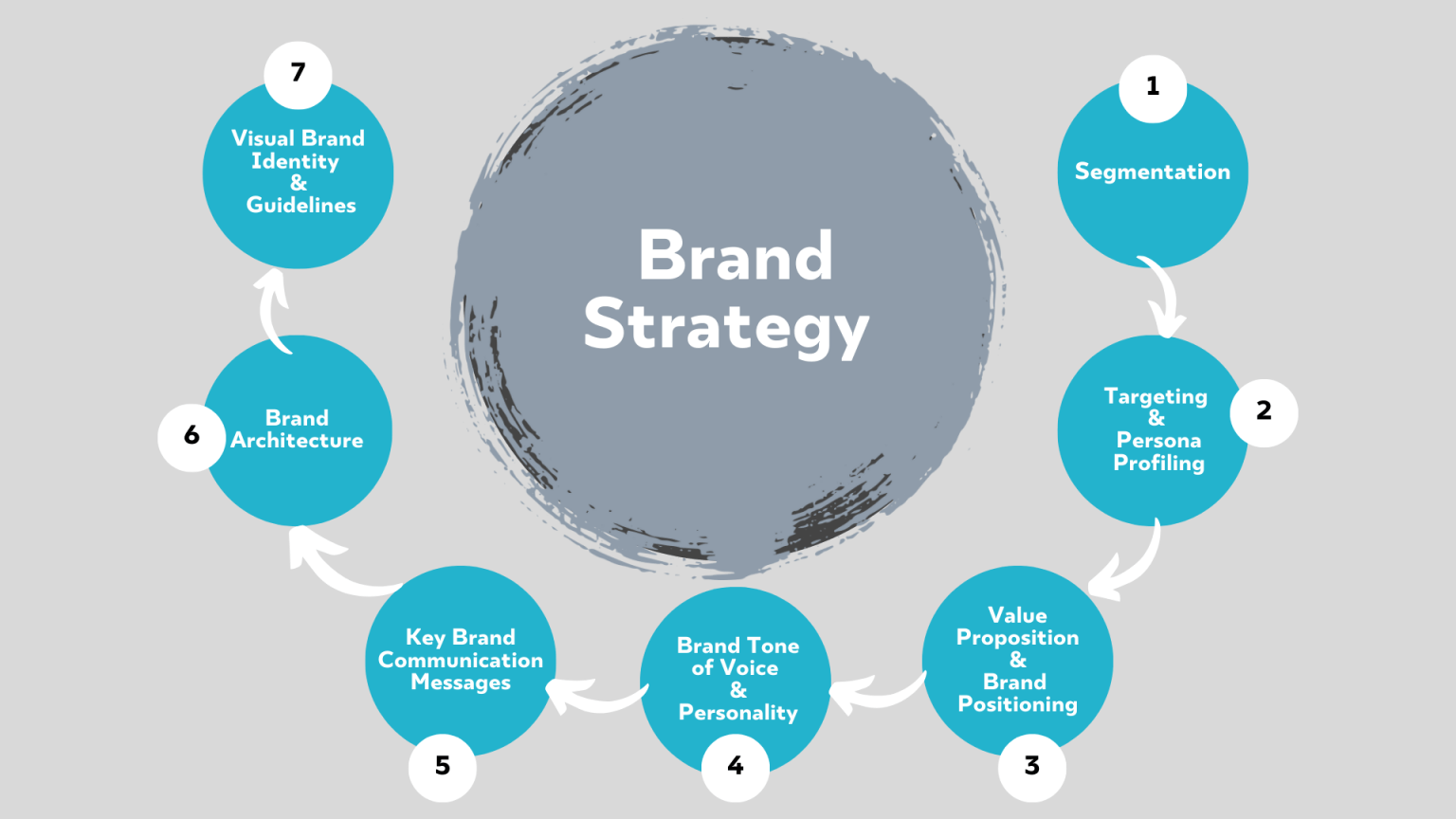
A Brand strategy is a long-term plan for defining, communicating, and strengthening a company's identity. It explains what the business represents, who it wants to reach, what makes it different, and how it should communicate with customers.
A comprehensive strategy may include:
Brand purpose
Target audience
Core values
Market positioning
Brand personality
Messaging
Visual identity
Customer experience
These elements should support one another rather than operate independently.
1. Define Your Brand Purpose
A clear purpose gives customers something meaningful to associate with a business.
Ask why the company exists beyond generating revenue. What problem does it solve? What value does it provide? What does it want to achieve for its customers?
A clear purpose can guide marketing decisions and make communication more focused.
2. Know Your Target Audience
Recognition is more valuable when it reaches the right people.
Research your target audience and understand their needs, preferences, challenges, interests, and purchasing behaviour.
A Brand strategy based on audience insights can make messaging more relevant and prevent businesses from using generic communication that fails to connect with anyone.
3. Create a Memorable Brand Name
A brand name is often one of the first things customers encounter.
Choose a name that is relevant, distinctive, easy to remember, and appropriate for the market. Businesses should also consider whether the name is available for use and whether it could create confusion with existing brands.
A memorable name can make future marketing efforts more recognisable.
4. Develop a Consistent Visual Identity
Visual consistency helps customers recognise a business across different platforms.
Important elements can include:
Logo
Colour palette
Typography
Photography style
Graphic elements
Packaging
Website design
A consistent visual system makes it easier for customers to connect different communications with the same company.
5. Build a Distinct Brand Voice
How a business communicates can be just as important as how it looks.
A brand voice should reflect the company's personality and appeal to its intended audience. Depending on the business, it might be professional, friendly, educational, confident, practical, or conversational.
Use the same underlying voice across websites, social media, emails, advertisements, and customer support.
6. Communicate a Clear Value Proposition
Customers need to understand why a business deserves their attention.
A value proposition should clearly communicate what the company offers and what makes it useful or different.
Avoid vague claims such as being the "best" without evidence. Instead, focus on specific benefits that matter to the target audience.
A clear value proposition can make the brand easier to understand and remember.
7. Maintain Consistency Across Channels
Customers may encounter a business in many places.
They might see an advertisement, visit the website, discover a social media profile, receive an email, or speak with a representative.
If each channel communicates a completely different identity, recognition can become difficult.
A strong Brand strategy establishes consistent core messaging and visual standards while allowing content to be adapted to each platform.
8. Use Content to Build Recognition
Useful content can keep a business visible while demonstrating expertise.
Businesses can publish:
Educational articles
Guides
Videos
Case studies
Social media content
Infographics
Industry insights
Content should provide genuine value rather than simply repeating promotional messages.
When customers repeatedly encounter useful information from the same business, familiarity can gradually increase.
9. Use Social Media Strategically
Social media can provide frequent opportunities to reinforce brand identity.
Instead of trying to be active on every platform, choose channels where the target audience is most likely to spend time.
Use consistent visual elements, tone, messaging, and content themes.
Engage with customers rather than treating social media only as an advertising channel.
10. Create Positive Customer Experiences
Brand recognition becomes stronger when customers associate a company with positive experiences.
A business should ensure that its website, purchasing process, products, delivery, communication, and support meet reasonable customer expectations.
A memorable logo may create recognition, but reliable experiences create stronger associations.
11. Encourage Genuine Customer Reviews
Customer reviews can increase visibility and provide social proof.
Encourage genuine customers to share their experiences where appropriate. Display relevant feedback through suitable channels and respond professionally to both positive and negative reviews.
Never create fake reviews or manipulate customer feedback. Authenticity is essential to long-term trust.
12. Use Storytelling
Stories can make a brand easier to remember.
Businesses can share their origins, challenges, values, customer successes, product development, or community involvement.
Good storytelling should be authentic and relevant rather than exaggerated.
A consistent brand story can help customers understand the personality behind the company.
13. Make Your Brand Useful
Recognition becomes more meaningful when customers have a reason to interact with a business.
Provide helpful tools, educational resources, useful customer support, calculators, guides, loyalty benefits, or other relevant value.
When a company repeatedly helps its audience, customers may remember the brand for more than its advertising.
14. Build Employee Brand Awareness
Employees can influence how customers experience a brand.
Staff members should understand the company's purpose, values, communication style, and customer service expectations.
When employees deliver experiences that match the external brand message, recognition becomes more consistent.
15. Monitor Brand Recognition
Businesses should measure whether their branding efforts are producing results.
Useful indicators may include:
Brand awareness
Website traffic
Direct searches
Social engagement
Customer surveys
Repeat purchases
Referral activity
Online mentions
These measurements can help identify which parts of the Brand strategy are working and where improvements may be needed.
16. Stay Consistent While Evolving
A business should not remain completely static.
Markets change, customers develop new expectations, and competitors introduce new approaches. Brands may need to refresh their content, design, products, or communication.
However, unnecessary changes can make a business harder to recognise.
Keep core elements consistent while making thoughtful improvements when circumstances require them.
Common Brand Strategy Mistakes
Several mistakes can weaken business recognition. These include changing logos and messaging too frequently, targeting everyone, copying competitors, using inconsistent designs, making unrealistic promises, and focusing on appearance without improving customer experience.
Another mistake is expecting immediate results. Recognition develops through repeated and consistent exposure.
Final Thoughts
A strong Brand strategy can help businesses become more recognisable by creating a clear identity, consistent communication, and memorable customer experiences. Recognition is not simply about having an attractive logo. It is about creating a complete identity that customers can identify across different interactions.
Begin by defining your brand purpose and understanding your target audience. Create a distinctive visual identity and a consistent voice that reflects what your business represents. Communicate a clear value proposition so customers understand why your company deserves their attention.
Use content and social media to remain visible, but focus on providing genuine value rather than constantly promoting products. Customer reviews, storytelling, useful resources, and reliable service can further strengthen the associations customers develop with your brand.
Consistency should remain central. Your website, social media, advertising, packaging, customer service, and other touchpoints should feel connected while still being adapted to their individual purposes.
At the same time, measure your results and remain willing to improve. Brand recognition grows through repeated experiences, so businesses should pay attention to customer feedback, market changes, and performance data.
Ultimately, the goal of a Brand strategy is not simply to make a business visible. It is to make the business memorable for the right reasons. When customers recognise your identity, understand your value, and associate your brand with reliable experiences, your company can build stronger awareness and create a foundation for lasting customer relationships and sustainable business growth.
Join the Conversation
Share Your Thoughts
Related Articles

How Branding and Brand Marketing Builds Trust
SYB Business Ecosystem offers global digital marketing, branding, web development, finance, HR, and business consulting to help brands grow efficiently.

Financial Planning & Analysis to Improve Risk Decisions
Find out the four kinds of financial analysis, and discover the ways that financial analysis aids companies make better financial decisions.

UK VAT exempt Services Businesses Should Understand
Find out what UK VAT exempt services are tax-free such as education, healthcare welfare, insurance, finance postal services, as well as the rules of property.