Retirement Visa Requirements for Eligible Applicants
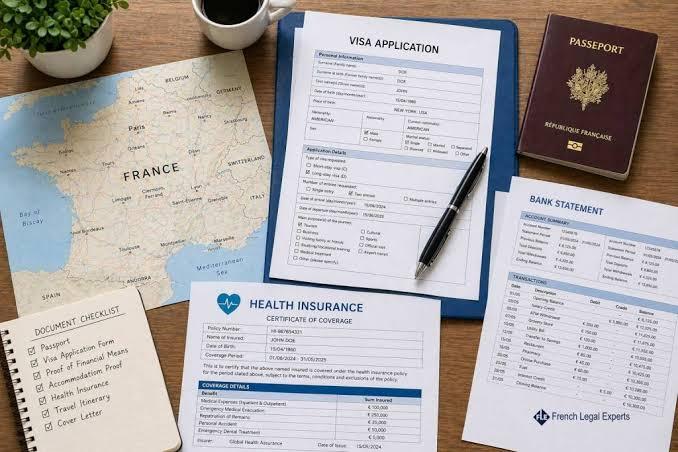
Retiring in another country can offer a fresh lifestyle, new experiences, and the opportunity to enjoy a different environment during later years. However, moving abroad after retirement involves more than choosing a destination and arranging accommodation. Applicants must understand the immigration rules that apply to their circumstances and prepare the required evidence carefully. Understanding Retirement Visa Requirements is an important first step for anyone considering this type of international move.
Retirement visa programs differ from one country to another. Some destinations may consider age, financial independence, healthcare coverage, accommodation, and personal documentation. Because requirements can change, applicants should always review the latest information from the relevant immigration authority before beginning the application process.
Understanding Retirement Visa Eligibility
The first step is determining whether the applicant qualifies for the retirement immigration route available in the chosen destination. Eligibility conditions can include age limits, financial resources, pension income, or other personal circumstances.
Applicants should carefully review the purpose of the visa and confirm that their situation matches the category. Choosing the correct route at the beginning can make the rest of the application process easier to manage.
Checking Age Requirements
Age is often one of the first factors considered under Retirement Visa Requirements. Certain retirement programs may establish a minimum age, while others may use different eligibility criteria for people who intend to live abroad without employment.
Applicants should verify the exact age condition applicable to their chosen destination. Meeting an age requirement alone may not be sufficient because additional financial and documentation conditions can also apply.
Demonstrating Financial Stability
Financial independence can be an important consideration for retirement immigration. Applicants may need to demonstrate that they have enough regular income, savings, investments, or other acceptable resources to support themselves.
The financial threshold and acceptable evidence vary between countries. Applicants should therefore check the specific rules instead of assuming that a particular amount will be accepted everywhere.
Providing Pension Evidence
Retirees may be required to demonstrate a reliable source of income. Pension statements, official income records, investment documentation, or other accepted evidence may be relevant depending on the immigration route.
Applicants should make sure that financial documents clearly show the source and regularity of their income. Information provided in the application should accurately correspond with the supporting evidence.
Preparing Bank Statements
Bank statements may be requested to demonstrate financial stability. Applicants should check how many months of statements are required and whether specific formats or certification rules apply.
Statements should be genuine and complete. If there are unusual transactions, applicants should retain appropriate documentation that can explain legitimate financial activity when necessary.
Reviewing Healthcare Requirements
Healthcare arrangements can form an important part of Retirement Visa Requirements. Some destinations may require retirees to hold suitable health insurance or demonstrate access to healthcare.
Applicants should carefully review the required level of coverage, policy conditions, and any restrictions that apply. A standard travel insurance policy may not automatically satisfy the requirements of a retirement residence program.

Arranging Accommodation
Some retirement visa applications may require applicants to demonstrate their intended living arrangements. Depending on the destination, this could involve a rental agreement, property ownership documents, or another accepted form of accommodation evidence.
The information should reflect genuine plans. Applicants should avoid providing arrangements that do not accurately represent their intended residence.
Gathering Personal Documents
Personal documentation is another important part of preparing Retirement Visa Requirements. Applicants may need a valid passport, birth certificate, marriage certificate, photographs, police certificates, financial evidence, and other supporting documents.
A detailed checklist can help applicants identify which documents are required. Keeping digital and physical copies can also make it easier to manage the application.
Checking Passport Requirements
Applicants should check their passport validity before starting the application. Some destinations require passports to remain valid for a specific period beyond the intended application or travel date.
Personal details should also be consistent across documents. Any legitimate differences in names or other information should be addressed according to the relevant official procedure.
Understanding Police Clearance Requirements
Depending on the country and visa route, applicants may need to provide police clearance certificates or other evidence relating to their criminal record history.
The required certificate, issuing authority, validity period, and certification process can differ. Applicants should follow the instructions provided by the relevant immigration authority rather than relying on general assumptions.
Preparing Document Translations
Applicants may need to translate documents that are not written in an accepted language. Immigration authorities can have specific rules about certification, formatting, or approved translators.
Translation requirements should be checked early because arranging accurate translations can take additional time. Applicants should ensure that translated information matches the original documents.
Keeping Application Information Consistent
Consistency is essential when preparing Retirement Visa Requirements. Details such as names, dates of birth, addresses, financial information, family details, and travel history should be accurate throughout the application.
Applicants should compare forms with supporting documents before submission. Identifying inconsistencies early can help prevent unnecessary administrative questions or delays.
Preparing for Family Members
Retirees may want to move abroad with a spouse, partner, or eligible dependants. However, family members may have separate eligibility conditions and documentation requirements.
Applicants should check whether dependants can be included and whether additional financial, healthcare, accommodation, or identity evidence is required. Planning these requirements together can make the overall process more organized.
Understanding Accommodation and Living Costs
Visa eligibility and practical affordability are not always the same thing. Applicants should consider whether their available income and savings can realistically support their intended lifestyle.
A retirement budget can include housing, utilities, food, healthcare, transportation, insurance, and unexpected expenses. Reviewing these costs before applying can help applicants make a more informed relocation decision.
Starting Preparation Early
Some Retirement Visa Requirements may involve documents that take time to obtain. Police certificates, pension statements, bank records, translations, and official documents may require advance preparation.
Starting early provides more time to identify missing evidence and correct mistakes. Applicants can create a simple checklist with deadlines to keep the process organized.
Following Current Official Guidance
Immigration rules can change because governments may update eligibility conditions, financial thresholds, application procedures, or documentation requirements.
Applicants should therefore use current official immigration information when preparing their application. Information from older applications, online forums, or unofficial sources may no longer reflect the applicable rules.
Reviewing the Application Before Submission
A final review can help applicants identify incomplete sections, incorrect dates, missing documents, or inconsistent information. Every answer should be checked carefully before the application is submitted.
Applicants should provide truthful and accurate information throughout the process. Altering documents, hiding relevant information, or creating artificial evidence can create serious problems.
Final Thoughts
Understanding Retirement Visa Requirements can help eligible applicants approach international retirement planning with greater organization and confidence. Age conditions, financial evidence, pension income, healthcare arrangements, accommodation, personal documents, and dependant requirements may all form part of the preparation process.
The most effective approach is to start early and build a clear checklist based on the official requirements for the chosen destination. Applicants should keep their information consistent, prepare genuine supporting evidence, and allow enough time for documents and translations.
Because every country has its own immigration rules, there is no universal set of Retirement Visa Requirements that applies to every applicant. Checking current official guidance and carefully preparing each part of the application can help eligible retirees avoid common administrative problems and approach their plans with greater clarity.